Overview
Objective
An industry focus on clean energy has further boosted the popularity of distributed energy resources. In response an ever-growing set of technologies companies, standards groups, and utilities are all looking for the next big opportunity. This is causing an influx of new ideas and technologies. EPRI’s research is designed to assess these new technologies, characterize their applicability, and propose next steps for the industry.

Research Drivers
-
Regulators are seeing the need for interoperability, evidence of this is an increasing number of requirements in grid codes and state laws mandating their adoption.
-
DER information and protocols are changing quickly. In 2021 EPRI saw maturity increase for almost every protocol tracked (20+). This is the first time this has occurred since this EPRI started formally tracking protocol maturity in 2016.
-
Grid codes (for example, CA Rule 21) and interconnection standards (IEEE 1547-2018) are driving an increase in maturity of generation-focused standards and protocols.
-
Utilities are reporting challenges interoperating with DERs despite the presence of standards and certification programs.
-
FERC O2222, VPPs, and DER Aggregations are opening new opportunities and new integration challenges for DERs; information and protocols will be critical to facilitate required coordination between distribution utility, market operator, aggregator, and DER technology.
-
Utility executives are becoming increasingly aware of the challenges that non-interoperability presents for near-term and long-term goals around grid flexibility, resilience, and cost-effective operation of the grid.
Key Research Areas
Emerging Technologies Studies
The DER space is rapidly changing as more and more distributed resources become primed to connect to the grid. Many of which have the capabilities to support grid operation. Each year EPRI selects 2-3 topics to evaluate. The key findings from these studies spur discussions at our Task Force meetings result in future research, strategic initiatives at utilities, and EPRI supplemental projects.
Click here for examples of past year’s studies
Task Force Meetings
The distributed energy resources and demand flexibility space is changing rapidly. Task Forces are EPRI’s way of facilitating industry discussions while they are relevant to the industry. These discussions usually host 50-150 utility advisors where we discuss key topics in the industry and hear from peers applying new technologies in their own territories.
Our Typical Advisors
The term distributed energy resources encompass a broad set of technology. EPRI’s DER Communication and Data Integration research area focuses on all of them. Typical advisors for the DER Communication and Data Integration program include utility professionals involved in:
- DER Interconnection
- DER Planning
- Electric Vehicle Programs
- Vehicle-to-Grid and Vehicle-to-X
- Demand Flexibility Programs
- Strategic Initiatives
- Cyber Security of DERs
In addition to our utility advisors, we also work with several non-utility advisors through our public working groups. These advisors include:
- DER Manufacturers
- DER Aggregators and Service Providers
- DERMS Manufacturers
- DER Gateway Manufacturers
- Standard Development Organizations
- National Laboratories
- International Government Organizations
- Consultants
- And more…
Guidebooks
Guidebooks are the keystone of EPRI’s DER Communication and Data Integration research. We have three. Each contains an ever-growing set of knowledge about DER Communication and Data Integration. Guidebook content is available to active members and contains past research that remains relevant and useful over time.
• DER Protocol Reference Guidebook: Assessment of Information and Protocol Standards for Distributed Energy Resources (DER), Electric Vehicles, and Demand Response Technologies
• Distributed Energy Resources Interoperability Guidebook: Information and Case Studies to Support Utilities in Achieving Interoperability with Distributed Energy Resources and Demand Flexibility
• IoT Technologies for Distributed Energy Resources: Information, Case Studies, and Lab Evaluations of IoT-Based Connectivity, Distributed Messaging, and Integrated Platform As a Service Solutions
Click here for topics covered by DER Communication and Data Integration guidebooks
Training Materials
A key part of transferring the value of research is to create resources that can help the industry learn about the latest research, understand key actions they can take to solve industry challenges, and provide knowledge to professionals in the energy industry who are helping to craft our future energy system.
Click here for training opportunities from EPRI’s Information and Communication Technology Program.
Our Lab
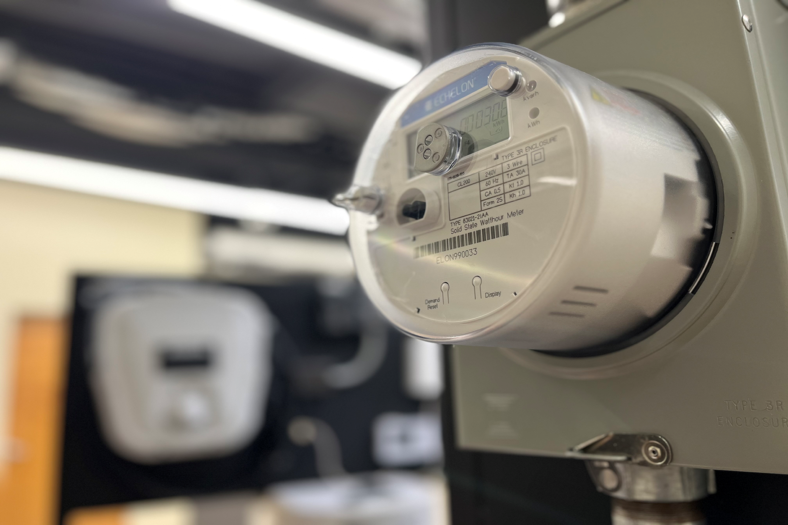
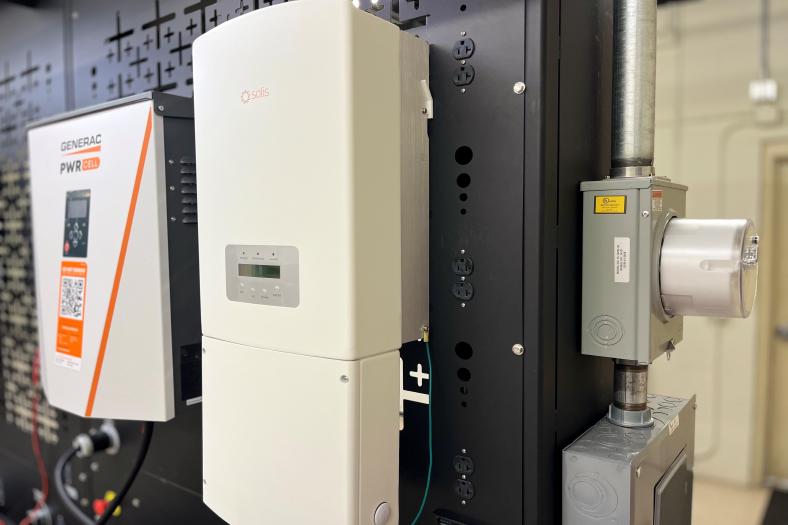
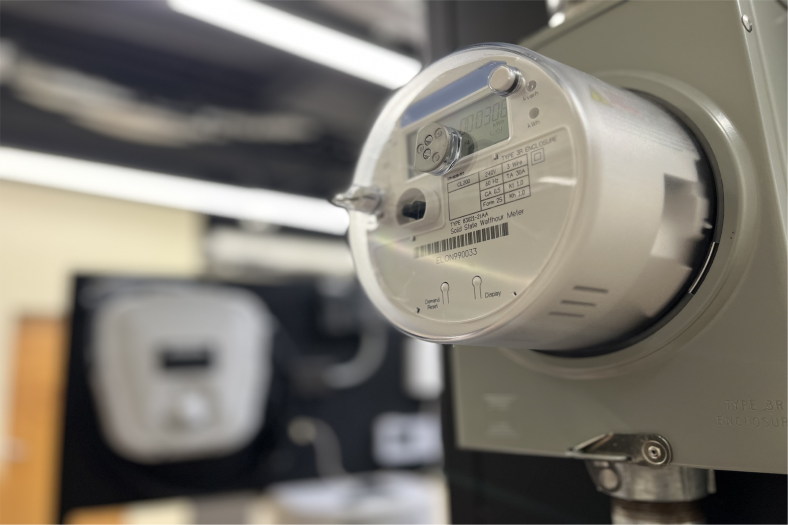
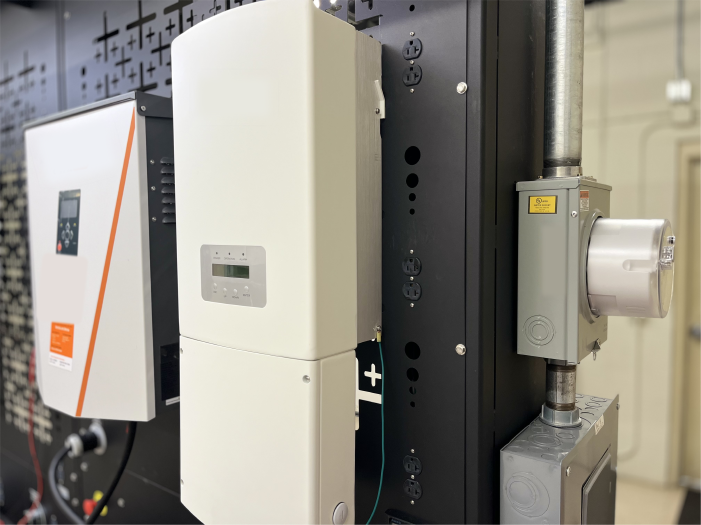
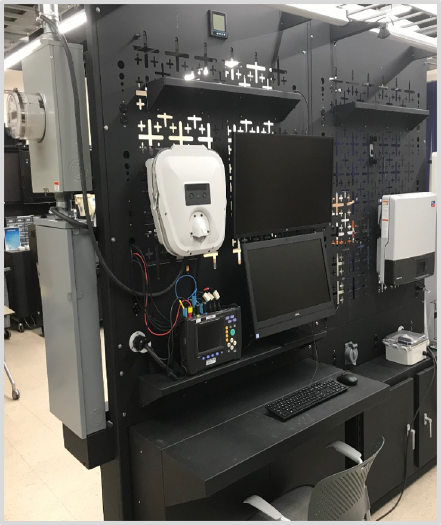
Today’s standards and integration guidance are robust, but even the most developed practices can still experience unexpected challenges. The true test of interoperability is connecting real devices and systems and studying the degree of interoperability observed. That’s just what EPRI’s DER Interoperability Lab is designed to do. EPRI’s lab, located in Knoxville Tennessee’s research corridor, has the latest DER technologies that utility customers are installing today. In our lab we conduct a variety of activities including:
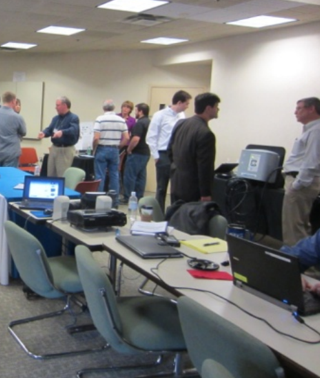
- Host interoperability events
- Work with major DERMS providers and DER manufacturers
- Testing to common DER protocols and profiles
- Supporting with Request for Proposal language
- Pre-testing integration for utility pilots and demos
- Facilitating working group discussions to improve interoperability
Click here to learn more about EPRI’s DER Interoperability Lab Initiative.
Research Value EPRI has four ways we help the industry overcome challenges with DER communication and data integration.
• Risk-reduction for major utility investments
• Proactively solving growing pains associated with new standards
• Bringing stakeholders together to accelerate alignment
• Evaluating the latest technologies for integrating DERs
Supplemental Projects
Some research requires a deeper focus to succeed. EPRI’s DER Communication and Data Integration has
a rotating portfolio of “supplemental projects”. In these projects EPRI focuses on specific research topics
that have timely value to the industry. These projects often span multiple years and have 5-25 utilities
who collaborate together to solve industry challenges.
We currently have the following supplemental projects underway in the DER Communication and Data intergration area
|
Assessment of the Matter Protocol for Utility Applications Contact: Ben Ealey Contact: Sage Quinn Contact: Frank Sharp |
Evaluation and Economic Feasibility Analysis of Commercial DER Gateways Contact: Ben Ealey Contact: Abrez Mondal Contact: Xavier Francia |
|
FLEXIT: Flexible Interoperable Technologies Initiative: VPP/DER Registry and Integration Interface Contact: Brian Seal Contact: A.H.M Jakaria Contact: Daniel Lowe Contact: Tanguy Hubert |
DER Secure Settings and Communications Verification Contact: Brian Seal Contact: A.H.M Jakaria Contact: Xavier Francia Contact: Ben Ealey |
To discuss these and other project ideas, contact : Ben Ealey